Recognizing an Emergency
Pets communicate in ways beyond words. A limp may whisper of a hidden injury, rapid breathing may hint at distress, and vomiting or collapse may scream for immediate attention. The challenge is knowing which signs indicate a true emergency—when hesitation could lead to greater harm.
Some of the most critical emergencies include:
- Difficulty breathing or choking
- Uncontrolled bleeding or deep wounds
- Seizures or sudden collapse
- Ingestion of toxic substances
- Inability to urinate or defecate, especially in cats
- Extreme lethargy or unresponsiveness
The Role of Preparedness
In times of crisis, panic is a natural response, but preparation transforms chaos into controlled action. Just as a traveler keeps a map for unknown roads, it can be a good idea for pet owners to have a plan for emergencies.
What to Expect in an Emergency Visit
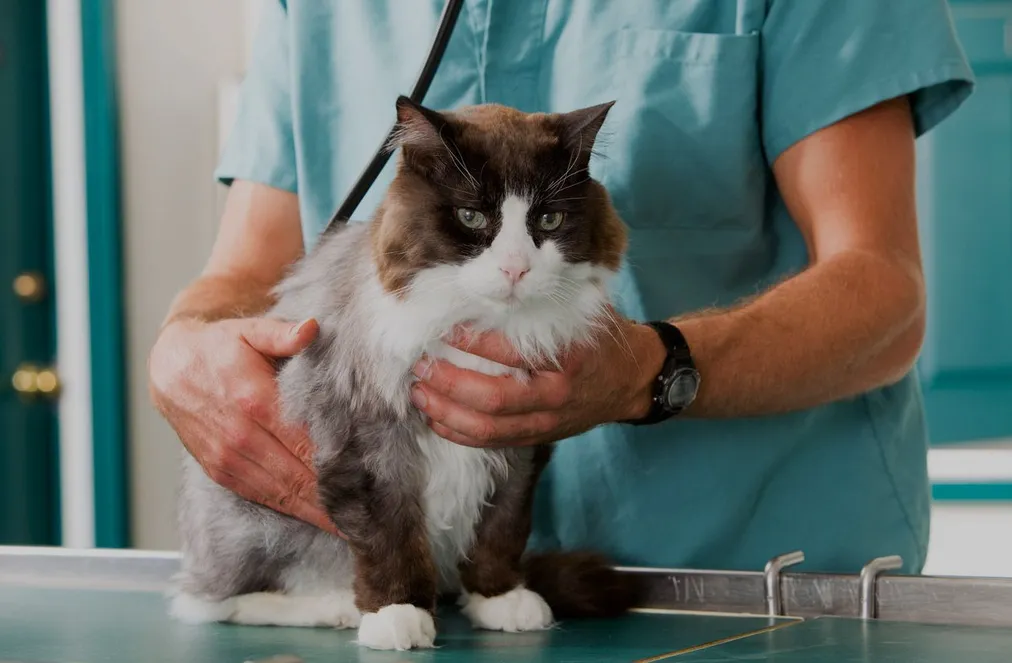
Upon arrival, a veterinarian will assess the pet’s condition, prioritizing life-threatening issues first. Diagnostics such as X-rays, blood tests, or ultrasounds may be necessary to uncover hidden problems. Treatments can range from wound care and to emergency surgery. While the process may feel overwhelming, every action is taken with a singular goal: to restore the pet’s health and well-being.
Get Vet Care and Animal Hospital Service from a Veterinarian Near You at Our Emergency Pet Hospital Near You
While we do book appointments in advance, emergencies are unpredictable and sometimes inevitable. But with awareness, preparedness, and swift veterinary care, the outcome can often be one of relief. At Westside Animal Clinic, your veterinarian in Spring Hill, FL, we stand ready to help when the unexpected and scary occurs. Call us at (352) 683-1512 for vet care and animal hospital services from a veterinarian here at our clinic or we can provide you with a near by emergency hospital for your pet's needs.